Dive into Geotextile Variety, A Comprehensive Guide to Different Types of Geotextiles
In the realm of civil engineering and construction, geotextiles stand as versatile solutions that shape the landscape of modern infrastructure projects. This article provides an in-depth exploration of the various types of geotextiles available today. From woven to non-woven, and natural to synthetic, we delve into the characteristics, applications, and benefits of each geotextile category. Discover how these materials contribute to soil stabilization, drainage improvement, erosion control, and more.
What are Woven Geotextiles?
Woven geotextiles are engineered fabrics constructed by weaving individual threads together. They offer high tensile strength and are commonly used for applications requiring reinforcement, such as road stabilization, retaining walls, and embankments. These geotextiles effectively distribute loads and prevent soil erosion, making them a crucial component in various civil engineering projects.
What are Non-Woven Geotextiles?
Non-woven geotextiles are manufactured by bonding fibers through mechanical, thermal, or chemical processes. These fabrics excel in filtration, separation, and drainage applications. They prevent fine soil particles from migrating while allowing water to pass through, which makes them essential in road construction, drainage systems, and erosion control projects.
What are Natural Fiber Geotextiles?
Natural fiber geotextiles, often made from materials like coir (coconut husk), jute, or straw, provide eco-friendly solutions. Coir geotextiles, for instance, possess excellent erosion control properties and are used in slope stabilization, riverbank protection, and landscaping. These biodegradable materials offer temporary reinforcement and gradually integrate with the environment.
What are Synthetic Fiber Geotextiles?
Synthetic fiber geotextiles, crafted from materials like polyester, polypropylene, or nylon, exhibit high durability and resistance to environmental factors. They find wide application in road construction, embankment reinforcement, and coastal protection. Synthetic geotextiles maintain their structural integrity over extended periods, contributing to the long-term stability of infrastructure projects.
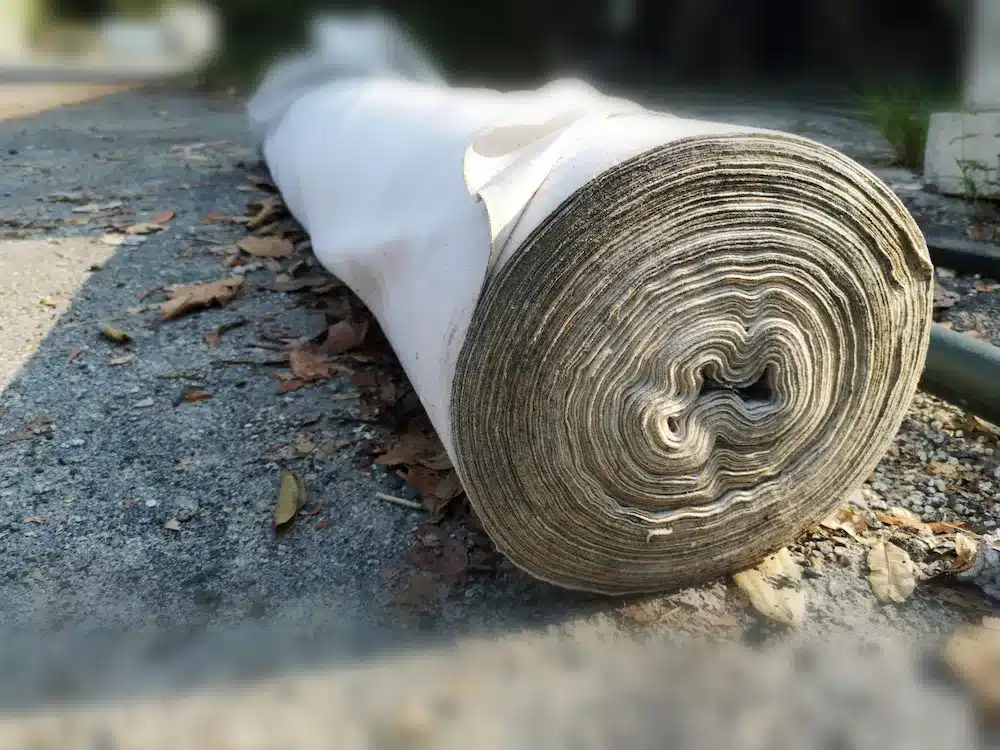
In conclusion, the diverse types of geotextiles available cater to a wide array of engineering needs. Woven geotextiles offer strength, non-woven counterparts excel infiltration, natural fiber geotextiles provide eco-conscious solutions, and synthetic options ensure durability. By understanding the unique attributes of each geotextile type, engineers and construction professionals can select the ideal material for projects, promoting sustainable and resilient infrastructure development.



Comments
Post a Comment