Geocell Retaining Wall: A Sustainable Solution for Modern Infrastructure
The geocell retaining wall is rapidly gaining recognition in the geosynthetics industry as a versatile and eco-friendly alternative to traditional retaining wall systems. By utilizing three-dimensional cellular confinement technology, geocell systems enhance soil stability, prevent erosion, and promote vegetation growth, making them ideal for a variety of applications.
Advantages of Geocell Retaining Walls
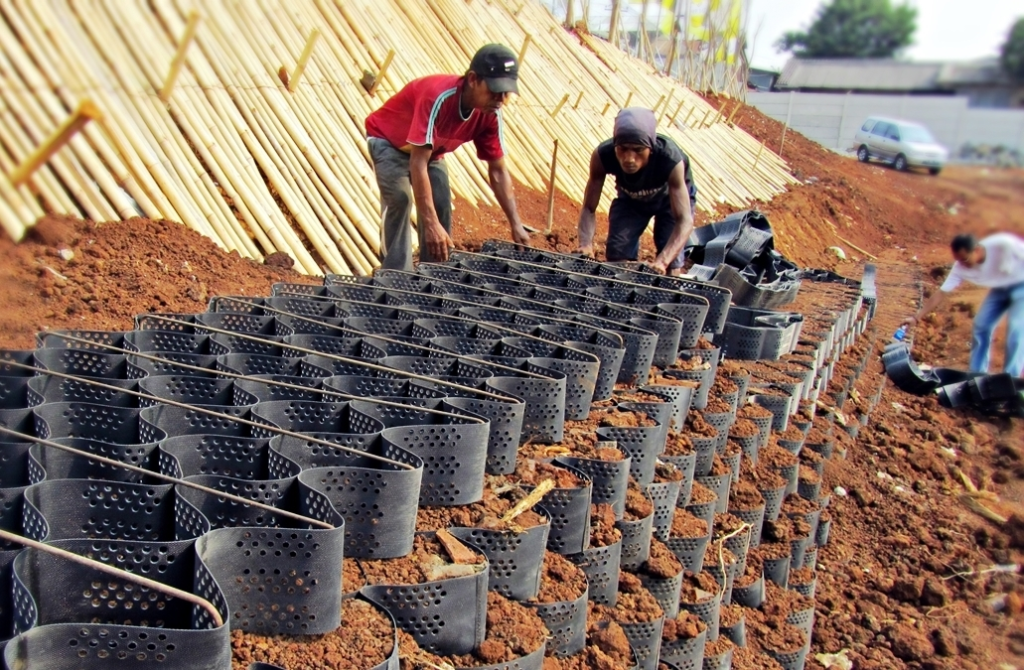
Geocell retaining walls offer several benefits:
- Enhanced Soil Stability: The cellular structure confines the soil, reducing lateral movement and increasing shear strength. For slope stabilization solutions, see Geofantex Slope Stabilization.
- Erosion Control: The design minimizes surface runoff and promotes vegetation, which helps in stabilizing slopes and preventing erosion.
- Cost-Effectiveness: Geocell systems often require less material and labor compared to traditional methods, reducing overall project costs.
- Environmental Sustainability: By promoting vegetation growth, geocell systems contribute to carbon sequestration and biodiversity.
Real-World Applications
1. Richmond Hill, Ontario, Canada
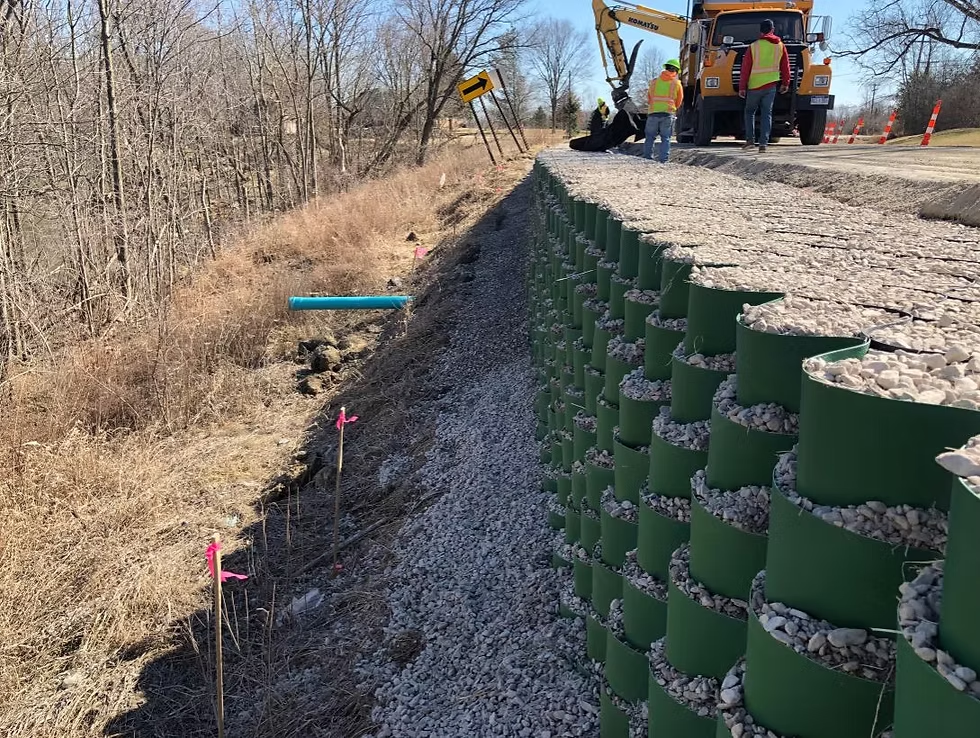
A notable project involved the construction of a 3-meter high geocell retaining wall spanning 200 meters along a property line adjacent to a railway. The wall utilized geocells filled with gravel, providing both structural support and aesthetic appeal. This installation demonstrated the effectiveness of geocell systems in urban environments, offering a balance between functionality and visual integration.
2. Holme Valley, Yorkshire, UK
In the Holme Valley, a geocell retaining wall was implemented to steepen an embankment next to a spillway without exerting additional pressure on the existing reinforced concrete structure. The use of geocells allowed for a vegetated finish that blended seamlessly with the natural landscape, addressing both engineering and environmental considerations.
3. British Columbia, Canada
A geocell retaining wall was constructed to stabilize a degrading shale slope along a coal conveyor route. The GEOWEB® geocell system provided slope protection, preventing erosion and ensuring long-term stability. This application highlighted the suitability of geocell systems for industrial sites requiring durable and effective erosion control solutions.
The geocell retaining wall stands out as a sustainable and efficient solution in the geosynthetics industry. Its versatility across various terrains and applications, combined with environmental and economic benefits, positions it as a preferred choice for modern infrastructure projects. As the demand for sustainable construction practices grows, geocell systems are poised to play a pivotal role in shaping the future of retaining wall design. For more geosynthetics solutions, visit Geofantex.


Comments
Post a Comment