Feutre geotextile: Essential Industry Guide for Modern Geosynthetics
e weather events, and stricter sustainability requirements, geotextile felt has emerged as an indispensable solution. Its ability to stabilize weak soils, improve drainage pathways, extend the lifespan of pavement systems, and protect sensitive barrier components makes it a preferred choice across roads, landfills, railways, reservoirs, tunnels, and environmental containment systems. Engineering teams frequently compare felt-based systems with related products such as nonwoven geotextile to optimize material selection for hydraulic and mechanical performance. With expanding global investment in geotechnical infrastructure, the use of feutre geotextile continues to accelerate across multiple engineering disciplines.
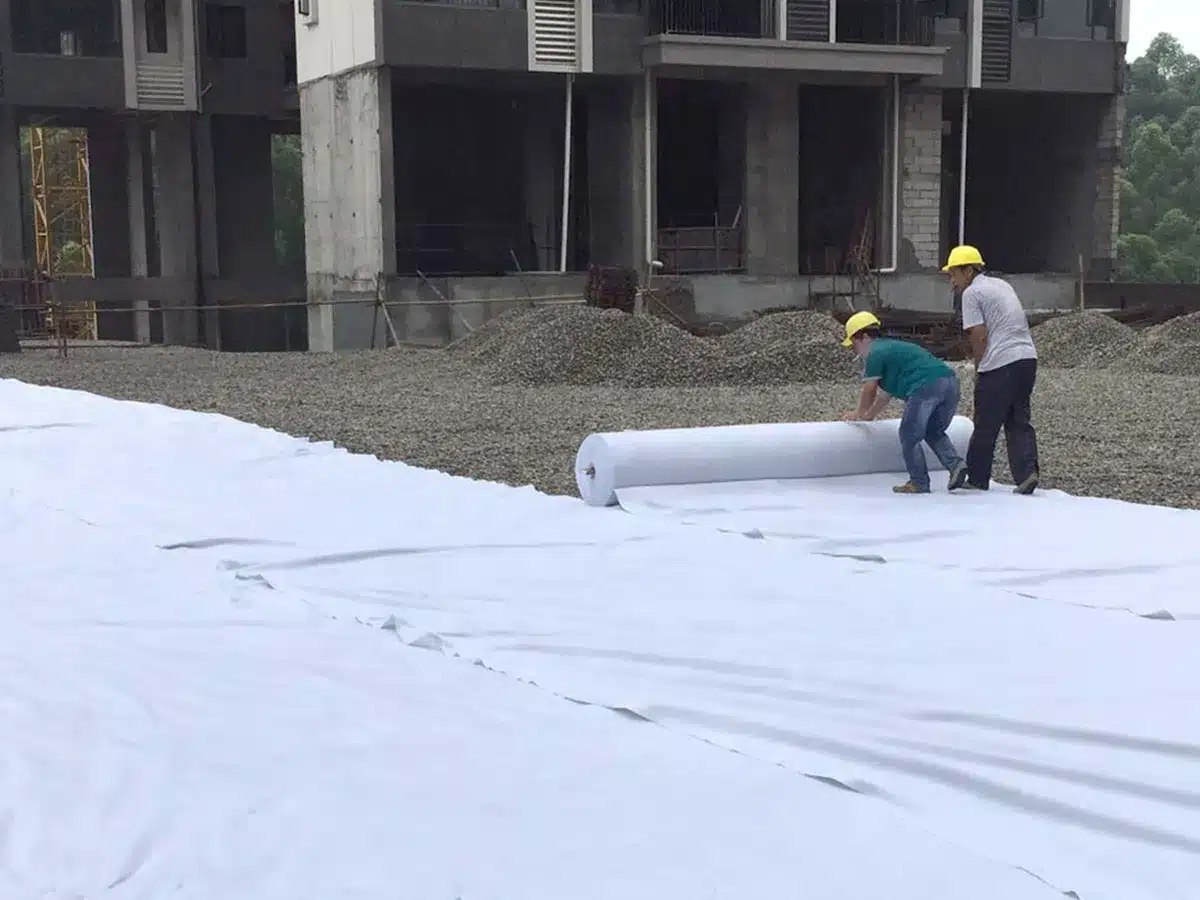
What is a feutre geotextile, and what functions does it provide?
A feutre geotextile is a nonwoven, needle-punched synthetic felt designed to deliver separation, filtration, drainage, protection, and cushioning in both shallow and deep foundation systems. Its structure consists of entangled polypropylene or polyester fibers that allow water to pass while retaining soil particles, creating a stable hydraulic environment beneath roadways, embankments, retaining structures, and landfill lining systems. In road construction, it prevents the intermixing of fine subgrade soil with aggregate layers, which reduces deformation and rutting over time. In drainage systems, it maintains consistent flow by preventing clogging and sediment migration. In geomembrane applications, feutre geotextile acts as a critical buffer layer that reduces puncture risk from sharp stones and differential settlement. Engineers also compare these functions with geosynthetics used for erosion control when designing hydraulic protection systems.
What types of feutre geotextile exist, and how should engineers select the right material?
Feutre geotextiles differ by polymer type, mass per unit area, fiber bonding density, thickness, hydraulic conductivity, tensile strength, and puncture resistance. Light-duty felts offer high permeability for filtration and drainage in French drains, sports fields, and landscaping systems. Medium-duty felts are suitable for separation and protection applications in roadbeds and municipal drainage channels. Heavy-duty felts are used where resistance to high pressure and mechanical damage is essential—such as landfill geomembrane protection, tunnel waterproofing systems, and reservoir basins. Selection depends on soil gradation, hydraulic gradient, anticipated traffic or structural loads, long-term creep behavior, and chemical exposure from wastewater or industrial by-products. During evaluation, engineers often reference woven alternatives such as woven geotextile for reinforcement applications where high tensile modulus is required.
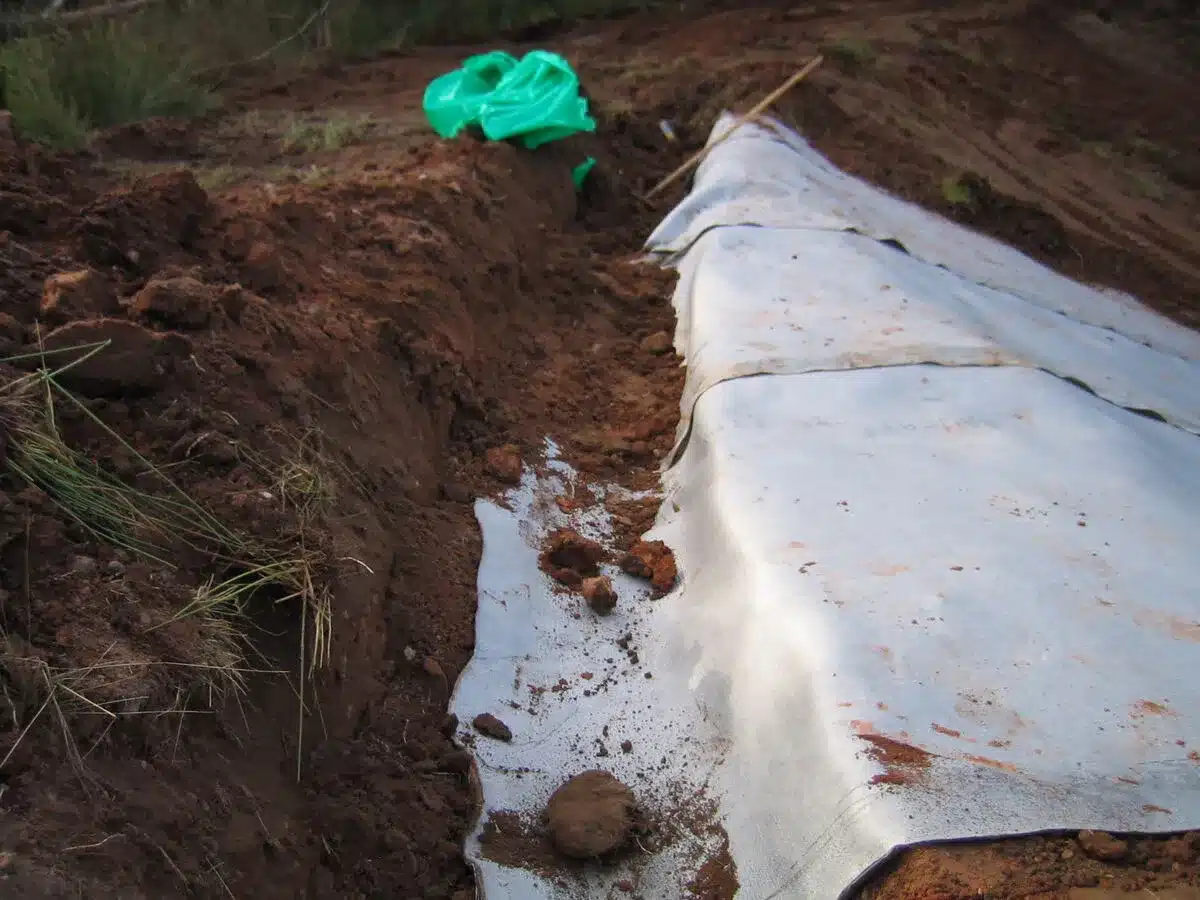
How large is the geotextile market, and what forces shape demand for feutre geotextile?
The global geotextile sector has evolved into a multi-billion-dollar engineering materials industry, according to widely recognized market analyses within the geosynthetics field. Infrastructure modernization—especially in road rehabilitation, stormwater control, and environmental protection—continues to drive steady consumption of geotextile felt worldwide. Urban expansion requires new drainage systems and erosion-control structures, both of which rely on high-performance geotextile felts. At the same time, environmental engineering projects—such as waste containment, riverbank stabilization, and ecological restoration—contribute to sustained long-term demand. Many developing regions have adopted geosynthetics at a rapid pace due to their cost-effectiveness and superior performance compared to traditional soil-only solutions, further reinforcing the importance of feutre geotextile across global civil engineering markets.
How do engineers quantify the economic and technical advantages of feutre geotextile?
The benefits of feutre geotextile are measured through improvements in structural performance, hydraulic reliability, and lifecycle cost reduction. Engineers evaluate drainage efficiency, permittivity, soil-retention capacity, load-distribution behavior, and puncture resistance to determine how the felt will perform in real-world soil conditions. In road construction, the use of geotextile felt typically reduces the thickness of aggregate layers required for adequate support, lowering material consumption and carbon footprint. In waterproofing systems, it extends geomembrane lifespan by minimizing mechanical damage. Long-term models frequently show reduced maintenance and repair costs when geotextile felt is integrated into foundational layers. For more material characteristics across categories, engineers often review broader product families like geosynthetics to refine system design and performance expectations.
The engineering importance of feutre geotextile continues to strengthen as infrastructure projects face higher performance expectations and sustainability requirements. Its ability to enhance soil mechanics, regulate water flow, protect impermeable liners, and extend service life makes it an essential component across civil, environmental, and hydraulic engineering sectors. With the global shift toward cost-efficient ground reinforcement and environmentally resilient construction, geotextile felt remains a vital tool for addressing the challenges of modern geotechnical design.


Comments
Post a Comment