Geonet for Roads: Industry Knowledge & Insights
In modern road construction, effective drainage and subgrade stability are crucial for building durable and sustainable highways. Geonet for roads has emerged as a key geosynthetic solution that addresses these challenges by efficiently channeling water, preventing soil mixing, and reinforcing pavement layers. Its adoption is increasing worldwide as engineers and project teams seek cost-effective and long-lasting solutions for road infrastructure. This article explores common questions about geonet for roads, its benefits, market trends, and practical applications in contemporary road engineering.
What is geonet for roads and how does it function in road construction?
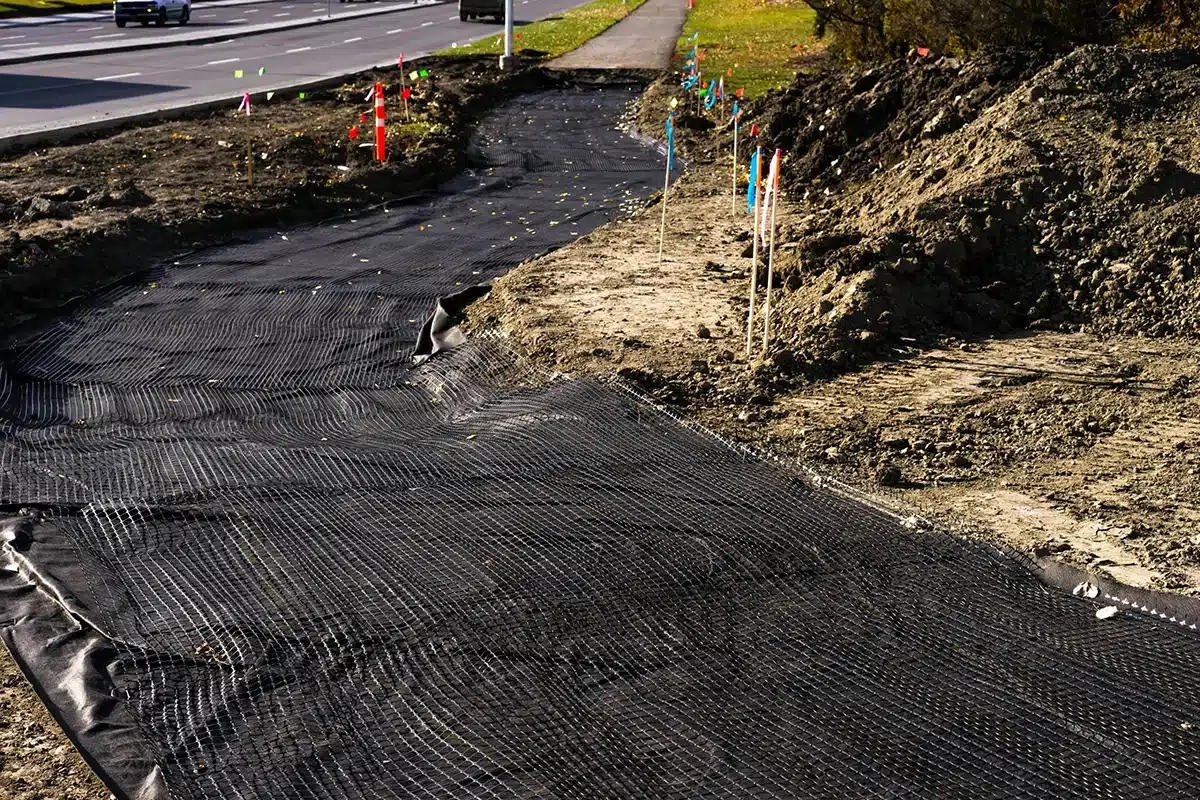
Geonet for roads is a type of geosynthetic material made from high-density polyethylene (HDPE) designed to provide efficient drainage and separation within road structures. It is typically placed between layers of soil and aggregate to facilitate water movement, prevent soil mixing, and relieve pressure in the subgrade. By improving water flow and reducing pore pressure, geonets enhance the overall stability and lifespan of road pavements. For more technical details, you can refer to Geofantex’s geonet solutions (Source: Geosynthetics Manufacturers Association).
Why is geonet for roads becoming more important in infrastructure projects?
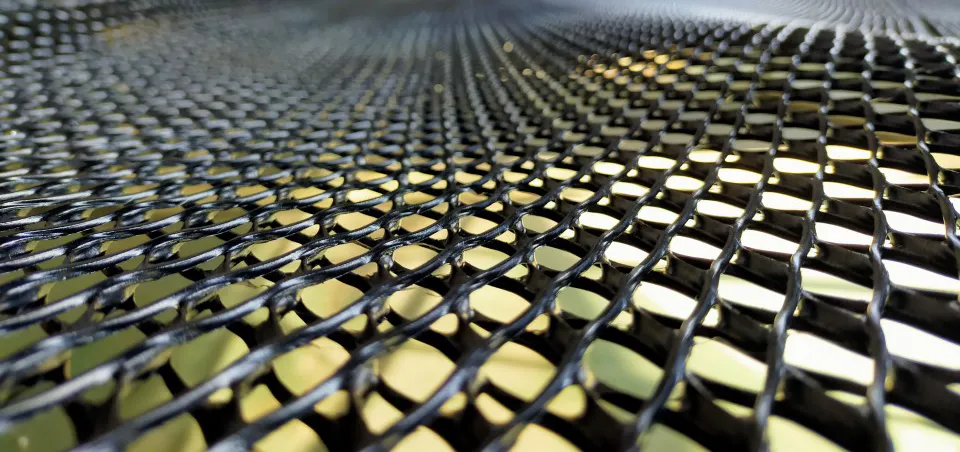
Geonet for roads has gained importance due to increasing infrastructure demands and the need for sustainable construction solutions. Roads are constantly subjected to water infiltration, which can weaken the subgrade and cause premature failures such as rutting and cracking. Geonets efficiently remove water from the pavement structure while maintaining separation between layers, reducing maintenance costs and extending service life. According to Geofantex’s drainage solutions, projects using geonets can achieve a 20–30% reduction in road maintenance costs over a 20-year period (Source: International Journal of Pavement Engineering).
What does current industry data indicate about geonets in road construction?
The global geosynthetics market, particularly for road applications, has been steadily growing. Geonets are increasingly used for highway drainage, embankment stabilization, and erosion control. Market analysis indicates that the transportation sector accounts for nearly 40% of geosynthetics usage worldwide (Source: World Geosynthetics Market Report, 2023), reflecting their critical role in large-scale infrastructure. Moreover, road projects that incorporate geonets see significant improvements in performance and durability, with design life extensions of 10–15 years compared to conventional methods (Source: Road Engineering Research Institute). For product specifications, visit Geofantex geosynthetics catalog.
What are the key benefits of specifying geonet for roads in projects?
Specifying geonet for roads provides multiple benefits that enhance both construction efficiency and long-term road performance. Geonets enable superior drainage, which prevents water accumulation and reduces subgrade weakening. They also decrease the need for large quantities of gravel, lowering material costs and shortening construction time. The HDPE material used in geonets offers excellent resistance to chemical exposure and ultraviolet degradation, ensuring durability in harsh conditions. Studies indicate that road projects using geonets can achieve a 25–35% improvement in load-bearing capacity (Source: National Pavement Association). More details on applications can be found at Geofantex geonet solutions.
Geonet for roads is an essential material in modern road engineering, significantly enhancing subgrade stability and pavement durability through efficient drainage and soil separation. Industry data shows that using geonets can reduce maintenance costs by 20–30% (Source: International Journal of Pavement Engineering) and extend road service life by 10–15 years (Source: Road Engineering Research Institute). With increasing global investment in transportation infrastructure, geonets are expected to see continued growth in applications for road drainage, reinforcement, and protection, providing projects with an economical, efficient, and sustainable solution. Learn more at Geofantex geosynthetics


Comments
Post a Comment