Geonet Fabric in Geosynthetics: Industry Case Analysis and Practical Applications
itical role in modern geosynthetics engineering by improving drainage performance, extending infrastructure life, and reducing long-term maintenance costs. As part of advanced geosynthetics drainage systems, it is widely adopted in projects that require reliable in-plane water flow and long-term structural protection.
Industry Context: Why Drainage Matters in Geosynthetics
Geosynthetics are widely applied in civil engineering, environmental protection, and infrastructure development to address challenges such as soil instability, groundwater control, and erosion. With projects increasingly built in complex geological environments, efficient drainage solutions have become essential. Poor drainage can lead to excess pore water pressure, structural damage, and high maintenance costs, making drainage geosynthetics a core design consideration.
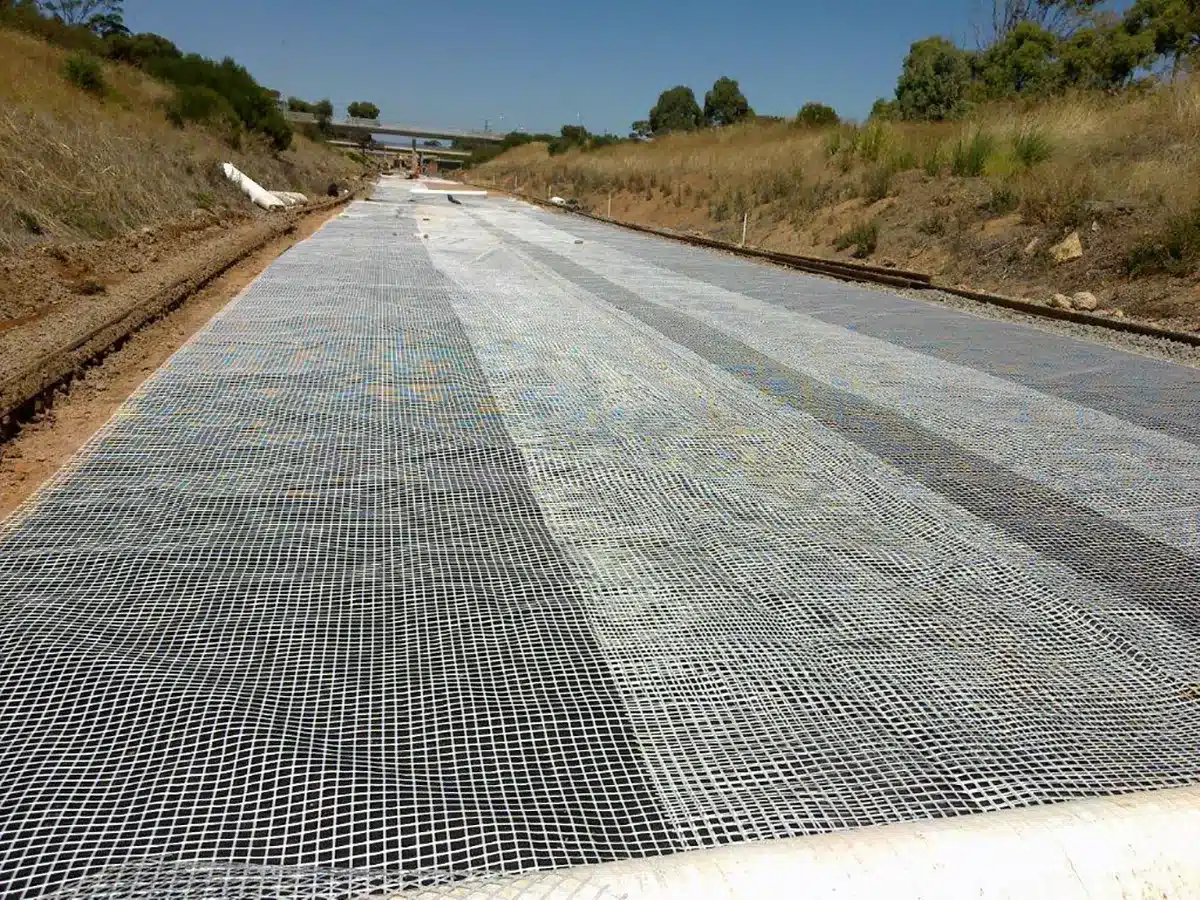
Case Study 1: Highway Slope Drainage in Mountainous Areas
In a highway expansion project located in Southwest China, engineers faced recurring slope instability caused by heavy rainfall. Traditional gravel drainage layers required deep excavation and increased costs. By introducing a drainage system incorporating geonet fabric behind retaining structures, the project achieved continuous water discharge while maintaining a thin profile. Groundwater pressure was effectively reduced, construction efficiency improved, and the slope remained stable over several rainy seasons.
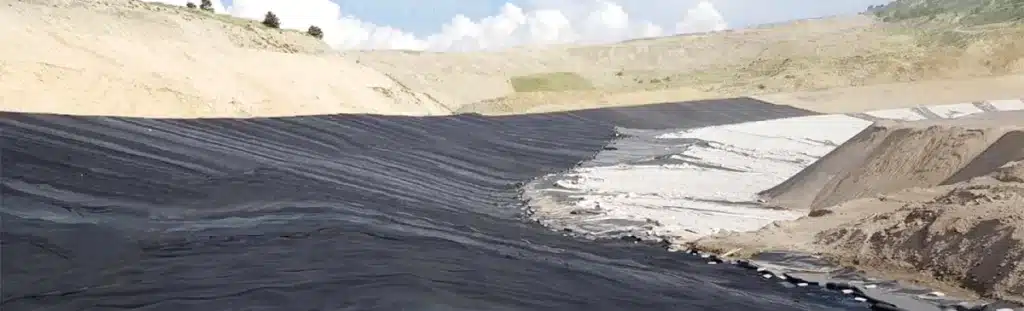
Case Study 2: Landfill Leachate Control and Environmental Compliance
A municipal landfill project in Southeast Asia required improved leachate drainage to meet stricter environmental standards. Conventional gravel systems added excessive load and were difficult to maintain. Engineers adopted a composite solution combining geomembranes with geonet-based drainage layers, improving leachate transmission efficiency and reducing subgrade stress. The project successfully met environmental compliance requirements with lower long-term maintenance costs.
Case Study 3: Urban Tunnel Drainage Under High Groundwater Levels
In an urban metro tunnel project, limited space and high groundwater pressure posed long-term durability risks. Designers installed a thin drainage layer incorporating geonet fabric between the waterproofing membrane and concrete lining. This solution relieved hydrostatic pressure, protected the waterproofing system, and extended the tunnel’s service life while minimizing repair needs.
Key Takeaways from Real-World Applications
These cases show that modern drainage geosynthetics outperform traditional aggregate systems, especially in space-limited or environmentally sensitive projects. Thin-profile drainage materials reduce material consumption, shorten construction time, and contribute to more sustainable infrastructure development.
In conclusion, geonet fabric has proven its effectiveness across transportation, environmental protection, and urban infrastructure projects. Through efficient drainage control and structural protection, it remains a key component of modern geosynthetics engineering, delivering reliable performance in demanding real-world conditions.


Comments
Post a Comment