Geocell Contact and Its Role in Modern Geosynthetics Engineering
Geocell contact is a critical concept in geosynthetics engineering that directly influences soil reinforcement efficiency, structural stability, and long-term performance in infrastructure projects using cellular confinement systems.
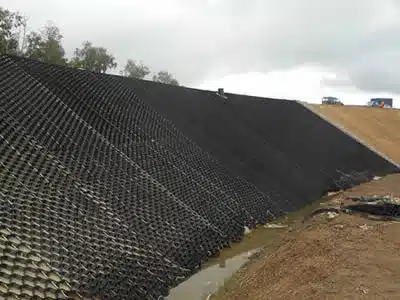
What does geocell contact mean in geosynthetics?
In geosynthetics applications, geocell contact describes the interaction between geocell panels and the surrounding infill materials, such as soil, sand, or crushed aggregate. This interface behavior determines how effectively lateral confinement is formed within the cellular structure. When geocells are properly expanded, anchored, and filled, friction and interlock develop between the cell walls and the infill, allowing loads to be transferred across a wider area. This mechanism is fundamental to the performance of geocell systems used in soil stabilization and ground improvement projects.
Why is geocell contact important for engineering performance?
Effective interface interaction plays a decisive role in improving bearing capacity and controlling deformation. Proper geocell contact enhances shear resistance within the reinforced layer, reduces differential settlement, and improves slope stability under static and dynamic loads. In erosion control and slope protection projects, strong contact conditions help prevent infill migration caused by rainfall or surface runoff. These advantages make geocells a preferred solution in applications such as slope protection systems and embankment reinforcement, where long-term durability is required.
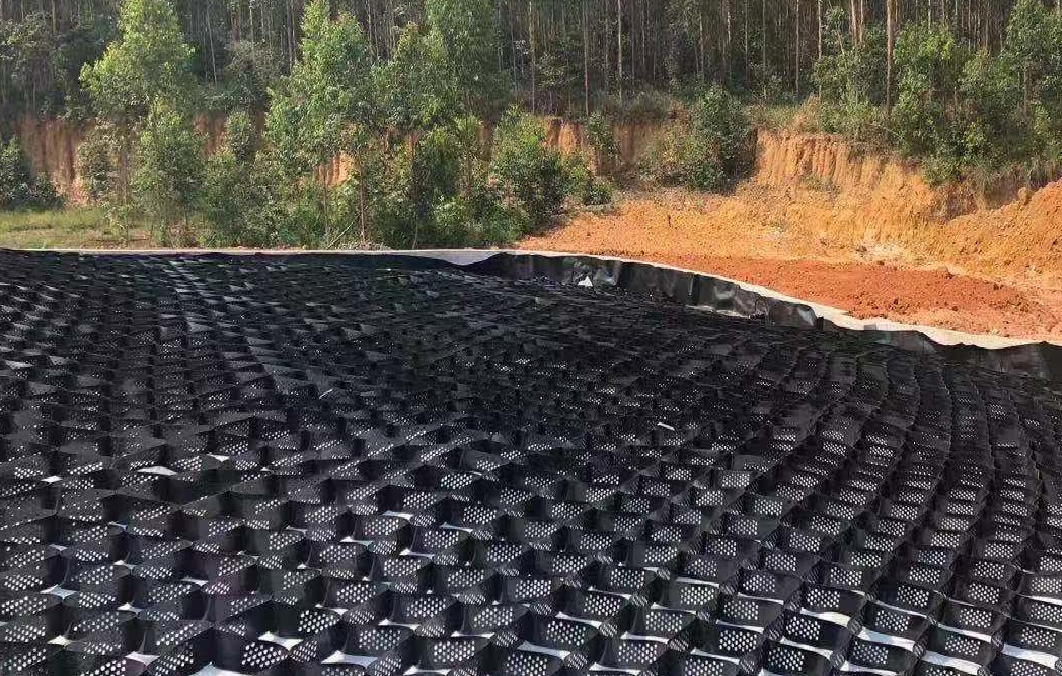
How does geocell contact relate to market growth in geosynthetics?
The increasing adoption of geocells is closely linked to global infrastructure development and sustainability goals. The global geocells market reached USD 3.08 billion in 2024 and is expected to grow at a compound annual growth rate of 8.4% through 2030 (Source: Grand View Research). As engineers focus more on performance optimization and material efficiency, interface behavior such as geocell contact has become a key design consideration. This trend supports wider use of geocells in road base reinforcement and heavy-load infrastructure projects.
What industry data supports the broader use of geocells in geosynthetics?
The overall geosynthetics market continues to expand as governments and contractors invest in transportation, environmental protection, and climate-resilient construction. Industry forecasts indicate that the global geosynthetics market will grow from approximately USD 13.47 billion in 2024 to USD 27.64 billion by 2035, achieving a 6.75% CAGR (Source: Market Research Future). Within this growth, geocells are increasingly selected for their ability to improve soil performance while reducing material consumption. Optimizing geocell contact through correct installation and infill selection has therefore become a core technical focus for modern geotechnical engineering.
In modern geosynthetics engineering, geocell performance depends not only on material quality but also on how effectively the system interacts with surrounding soils. Proper interface behavior improves load distribution, structural stability, and erosion resistance across a wide range of applications. Supported by strong market growth and proven engineering benefits, geocells continue to play an important role in sustainable infrastructure development, with interface optimization remaining a key facto


Comments
Post a Comment