Geonet Fabric: A Geosynthetics Solution for Drainage and Soil Stability Challenges
nvironmental, and infrastructure projects.
In many geotechnical applications, uncontrolled water flow reduces soil strength and threatens structural performance. For this reason, engineered geosynthetics play a critical role in long-term system stability.
What is the main problem caused by poor drainage in geotechnical systems?
Poor drainage leads to the buildup of pore water pressure within soil and structural layers. This pressure weakens soil shear strength, accelerates erosion, and increases the risk of slope failure or structural damage.
Why do traditional drainage layers often fail over time?
Conventional drainage methods, such as gravel layers or perforated pipes, are vulnerable to clogging by fine soil particles. Over time, this significantly reduces water flow capacity and drainage performance, especially under high loads.
How does geonet fabric improve drainage performance?
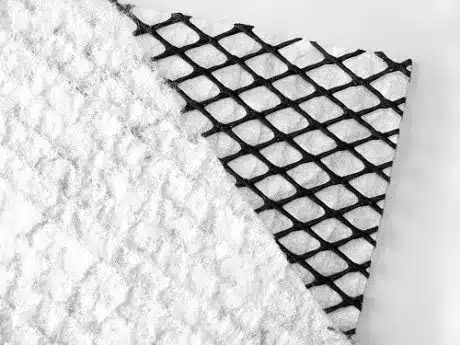
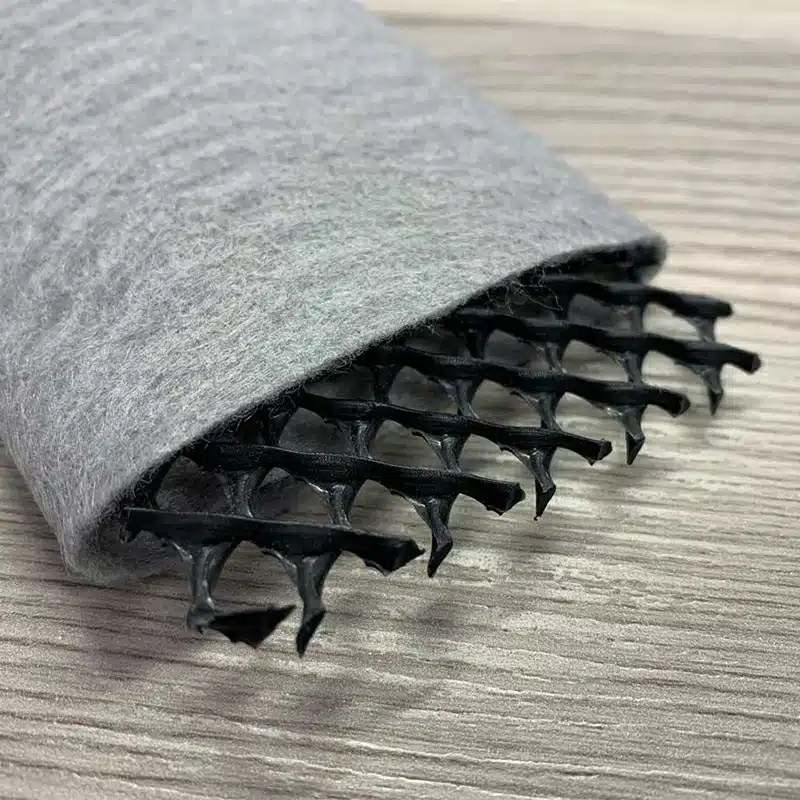
By forming a continuous three-dimensional drainage network, geonet fabric provides stable flow channels that efficiently transport water away from critical zones. When combined with geotextiles, it prevents soil intrusion while maintaining high transmissivity under sustained pressure.
In which applications is geonet fabric most effective?
Geonet drainage solutions are commonly used in landfills, retaining walls, roadways, tunnels, and slope protection systems. They are particularly effective in projects that demand reliable subsurface drainage and long-term performance, such as integrated road construction solutions and environmental containment systems.
Geonet fabric is an effective geosynthetics solution for managing subsurface water and maintaining soil stability in civil and environmental engineering projects. By providing continuous drainage channels, it reduces pore water pressure, prevents soil weakening, and improves long-term structural performance. When used alone or in combination with geotextiles, geonet systems enhance drainage reliability, minimize clogging risks, and extend the service life of infrastructure exposed to water-related stress.


Comments
Post a Comment