HDPE Pond Liner Industry Knowledge Guide: Geosynthetics Applications and Data
HDPE pond liner is one of the most widely used geosynthetic materials in modern water containment and environmental protection engineering. By combining high-density polyethylene resin with advanced manufacturing technology, this geomembrane solution delivers long-term anti-seepage performance for ponds, reservoirs, and industrial containment systems.
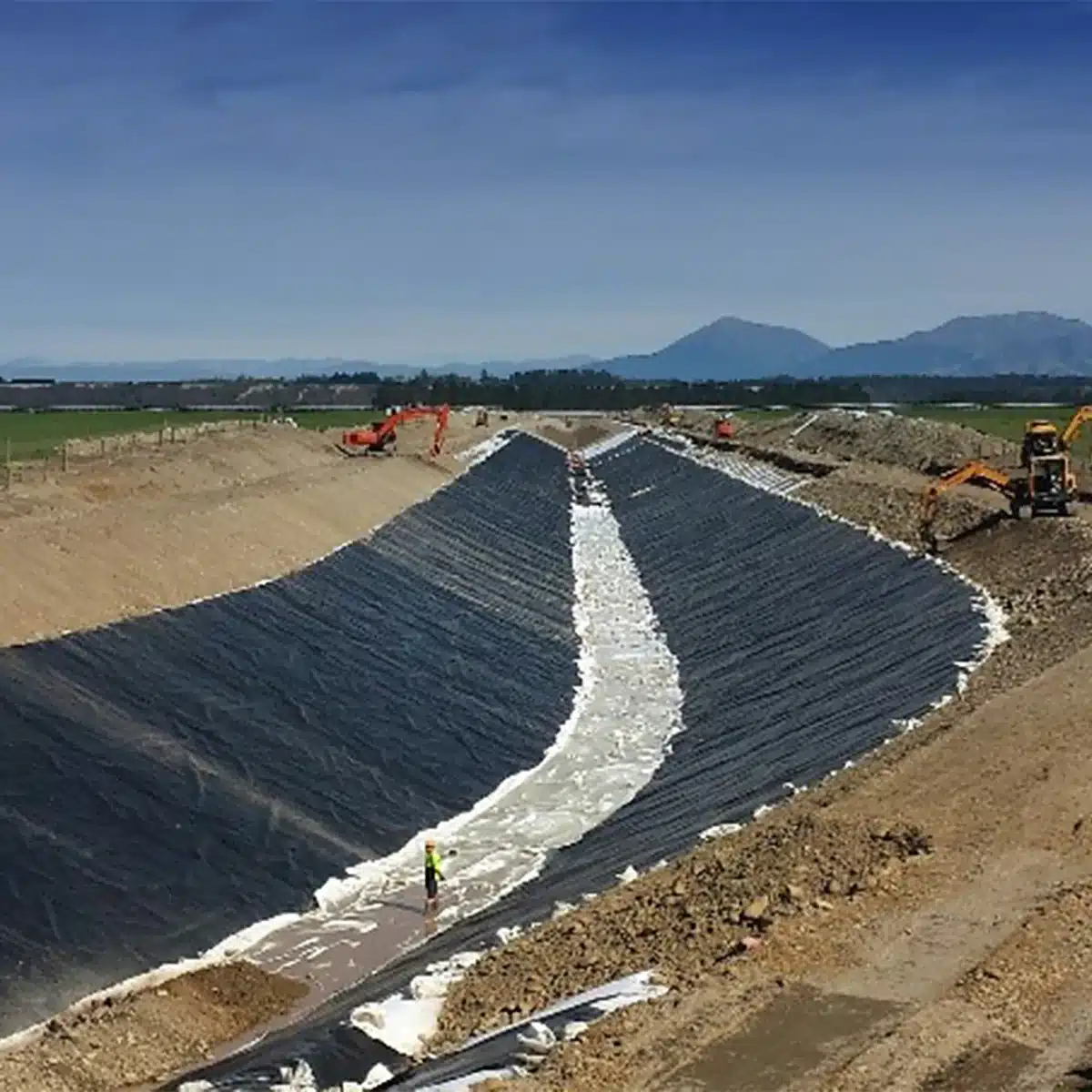
What is an HDPE pond liner and why is it classified as a geosynthetic?
An HDPE pond liner is a high-performance HDPE geomembrane designed to form an impermeable barrier between water and soil. As part of the geosynthetics family, it is engineered specifically to solve civil and environmental challenges such as leakage control, soil protection, and water conservation.
HDPE liners are produced with UV stabilizers and carbon black, which allow them to resist aging, chemicals, and weather exposure. In practical projects, they are often integrated into complete geomembrane lining systems used in ponds, landfills, and water treatment facilities.
Learn more about HDPE geomembrane solutions at: https://www.geofantex.com
What industry data proves the performance and market value of HDPE pond liners?
Industry Data:
- The global geomembrane market exceeded USD 2.1 billion in 2023 (Source: Grand View Research), with HDPE materials accounting for over 70% of total demand (Source: Global Market Insights).
- HDPE liners achieve permeability as low as 1×10⁻¹⁷ cm/s (Source: ASTM D5887 test data), making them one of the most effective anti-seepage materials available.
These figures confirm that HDPE liners are not only technically reliable but also the dominant choice in large-scale geosynthetic applications worldwide.
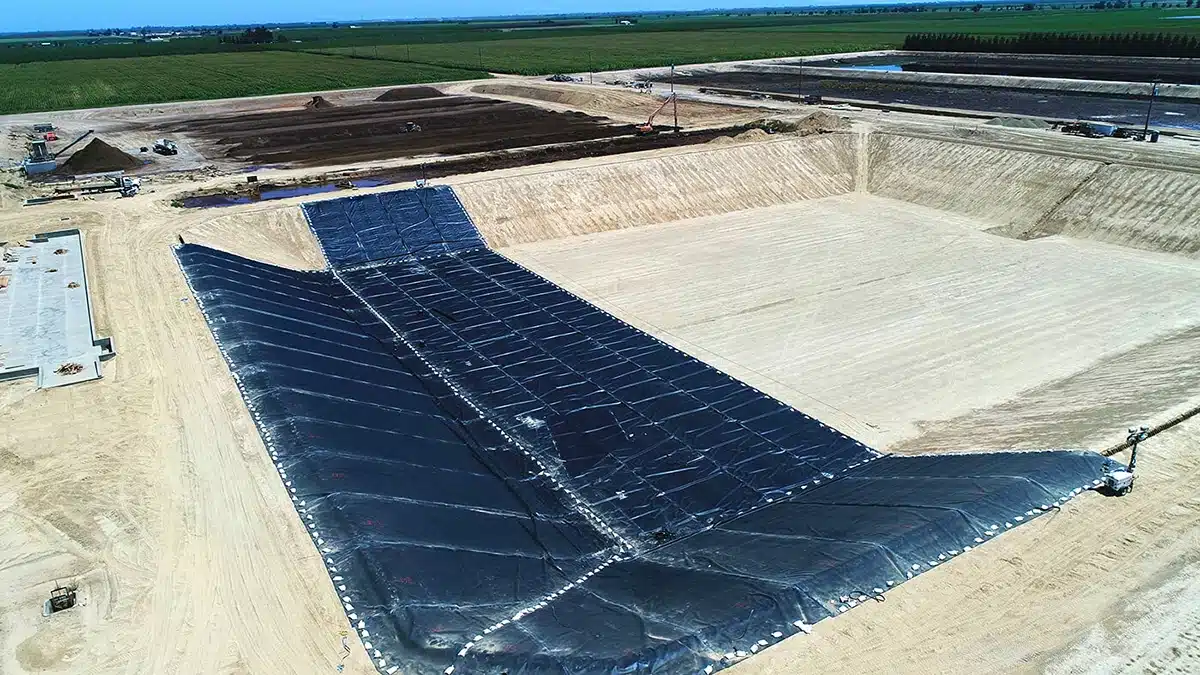
In which geosynthetic applications are HDPE pond liners most commonly used?
HDPE liners support a wide range of infrastructure and environmental projects:
- Aquaculture and fish ponds: They improve water quality and reduce seepage losses through specialized aquaculture pond liner solutions.
- Agricultural reservoirs and irrigation ponds: Liners significantly reduce water loss and improve water-use efficiency.
- Wastewater and industrial containment: Textured liners enhance slope stability and meet strict environmental standards.
- Decorative and landscape ponds: Flexible installation allows adaptation to complex pond shapes.
For detailed application cases and solutions, visit: https://www.geofantex.com
What advantages do HDPE pond liners offer compared with traditional lining materials?
Compared with clay, concrete, or PVC liners, HDPE geomembranes provide clear benefits:
- Extended service life: 20–50 years under proper installation (Source: Geosynthetic Institute)
- Lower lifecycle cost: 30–50% cost reduction compared with concrete lining systems (Source: Engineering cost studies)
- Environmental compliance: Widely adopted in environmental protection geosynthetics projects due to chemical resistance and recyclability
- Reliable water containment: Preferred among water containment geosynthetic materials for critical infrastructure
These advantages explain why HDPE liners are now a standard solution in sustainable civil engineering projects.
With proven performance data, broad application coverage, and strong market demand, HDPE pond liner technology remains a cornerstone of modern geosynthetics engineering. From aquaculture to environmental protection, HDPE geomembranes continue to deliver safe, durable, and cost-effective water containment solutions for


Comments
Post a Comment