Geonet Solution for Geosynthetics Drainage Systems
Modern infrastructure projects require efficient drainage systems to maintain soil stability and protect structures from water damage. A geonet solution is widely used in geosynthetics engineering because it creates continuous flow channels that guide water away from critical areas. In projects such as landfills, highways, retaining walls, and foundation systems, proper drainage helps prevent soil erosion and hydrostatic pressure buildup. Many engineers adopt geonet solution for geosynthetics drainage systems to improve subsurface water control while maintaining long-term structural performance.
What problems can a geonet solution solve in geotechnical projects?
Water accumulation inside soil layers often leads to erosion, settlement, and structural instability. When groundwater cannot escape, pressure builds up and weakens the surrounding soil.
A geonet solution provides a stable drainage layer that allows water to move laterally through the geosynthetic structure. This helps reduce hydrostatic pressure and protects soil foundations.
In environmental engineering projects, contractors frequently apply geonet solution for landfill drainage and soil stabilization to maintain safe water flow and prevent long-term damage to containment systems.
How does a geonet solution work in a geosynthetics system?
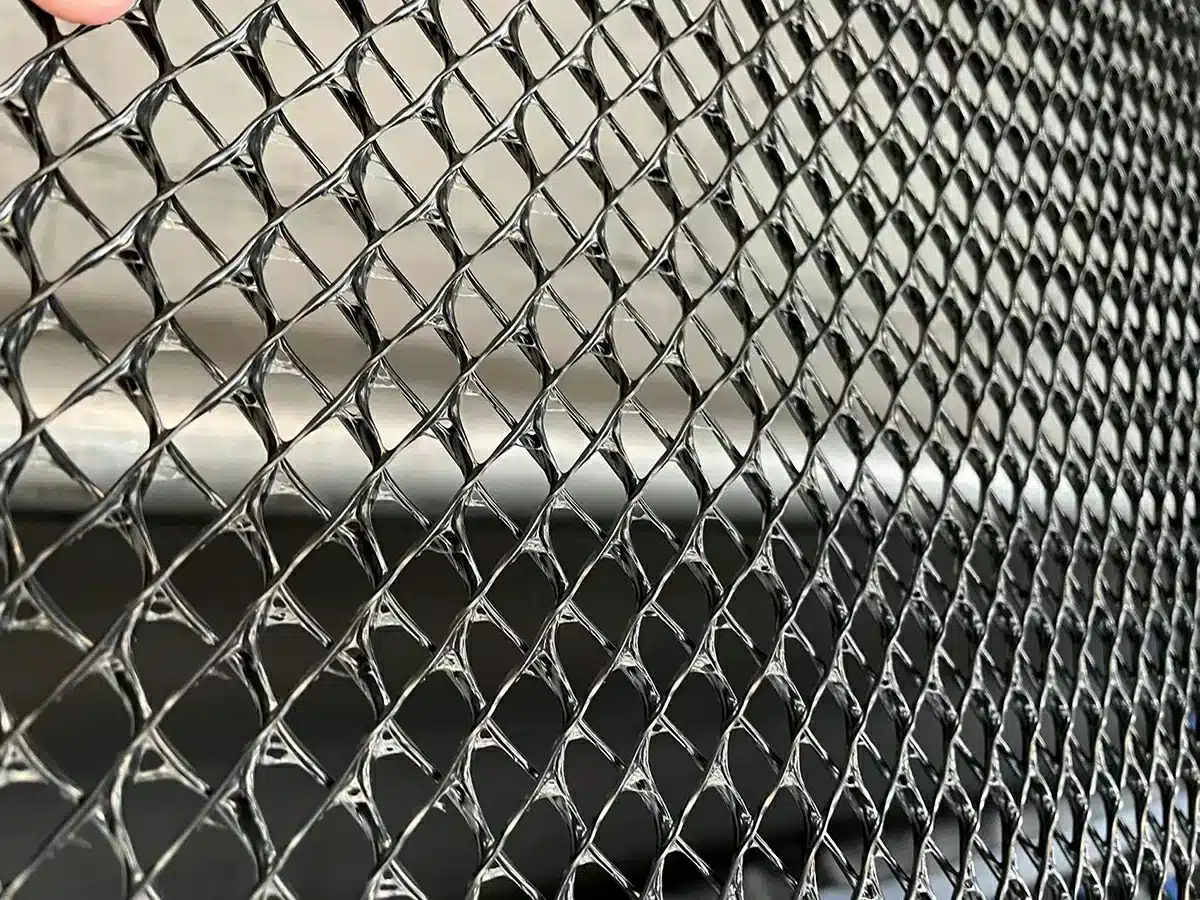
A geonet is typically manufactured from high-density polyethylene and designed with a three-dimensional network structure. This structure creates interconnected channels that allow water to flow efficiently even under soil pressure.
Within a geosynthetic drainage system, the geonet solution often works together with geotextiles or geomembranes. The geotextile layer filters soil particles while the geonet provides a continuous pathway for water movement.
This combination improves drainage efficiency and reduces the need for heavy gravel layers in construction.
Where are geonet drainage systems commonly used?
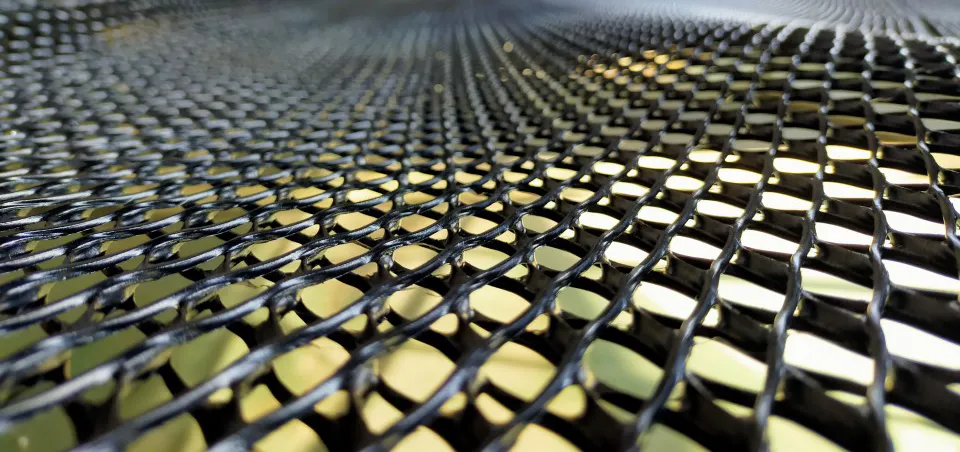
Geonet drainage materials are widely used in infrastructure and environmental engineering projects. They are commonly installed in landfill liner systems to collect and transport leachate safely.
In transportation infrastructure, a geonet solution is often placed beneath roadways or railway foundations to remove excess moisture and protect the subgrade.
Engineers also apply geonet solution for highway and retaining wall drainage to manage water pressure and maintain structural stability.
How do engineers choose the right geonet solution for a project?
- Selecting the appropriate drainage material requires evaluating several engineering factors. Flow capacity, compressive strength, and long-term durability all influence the performance of the drainage system.
- A properly designed geonet solution ensures that water can move efficiently through the drainage layer without compromising soil support.
- Engineers also assess compatibility with geotextiles, environmental conditions, and expected loads to ensure reliable long-term operation.
Geosynthetics play an important role in modern construction and environmental protection projects. A geonet solution provides an efficient method for controlling subsurface water flow while protecting soil structures.
By integrating geonets into drainage systems, engineers can improv


Comments
Post a Comment